
Share this product :
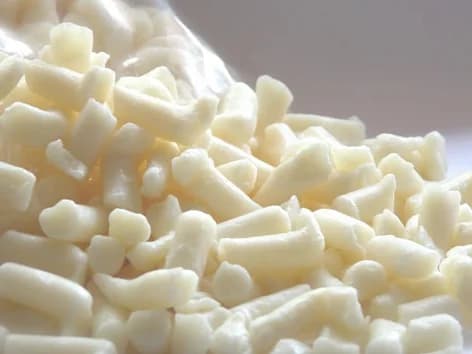
Toilet Soap Noodles TFM 70 - 72% (45:45:10)
- Origin
- : Indonesia
- CAS Number
- : 0143-07-07
- HS Code
- : 3401.20.20
Basic Info
- Physical Form
- : Liquid
- Concentration
- : Pure substance
- Appearance / Color
- : White to off-white solid
- Drug Precursor Status
- : Non-precursor
Categories
Share this product :
Brief Overview
Sodium hydroxide is used to saponify vegetable oils, such as palm, coconut, olive, and/or animal fat (tallow), to create soap noodles. Soap noodles are claimed to have been the first known forms of soap. Both amateur and expert soap makers use soap noodles because they are simple to personalize with colors, flavors, and other ingredients to produce soap. Additional methods that can be applied to further modify the finished soap product include molding, pressing, and stamping.
Manufacturing Process
The main process for producing soap, direct saponification, is mixing sodium hydroxide with triglyceride. Hydrolyzing fats and oils produces glycerol and fatty acids as byproducts. Sodium hydroxide is then used to neutralize these fatty acids. Methyl esters are produced when fat or oil is transesterified using methanol. Methanol is a byproduct and soap is created when the methyl ester is saponified with sodium hydroxide.