
Share this product :
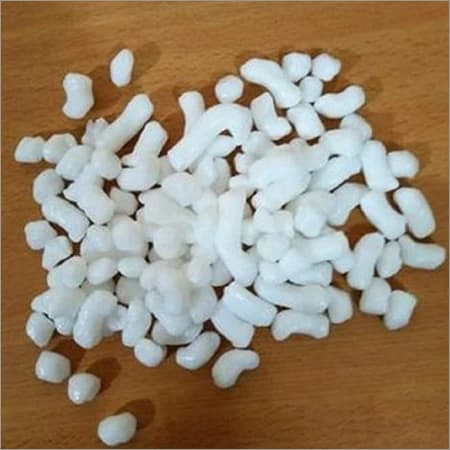
Toilet Soap Noodles TFM 64% (60:30:10)
- Origin
- : Indonesia
- CAS Number
- : 0143-07-07
- HS Code
- : 3401.20.20
Basic Info
- Physical Form
- : Liquid
- Concentration
- : Pure substance
- Appearance / Color
- : White to off-white solid
- Drug Precursor Status
- : Non-precursor
Categories
Share this product :
Brief Overview
The production of soap noodles involves the saponification of vegetable oils such as palm oil, coconut oil, olive oil, and/or animal fat (tallow) with the addition of sodium hydroxide. These soap noodles find extensive use among both professional soap makers and hobbyists. They offer a canvas for personalization with pigments, fragrances, and various additives to fashion distinct soaps. Additional customization through molding, pressing, and stamping completes the process, resulting in the creation of the final soap product.
Manufacturing Process
The primary method for soap production, known as direct saponification, involves the combination of sodium hydroxide with triglyceride molecules to create soap. Hydrolysis of fats and oils results in the production of fatty acids and glycerol as by-products. Sodium hydroxide is then employed to neutralize these fatty acids. Transesterification of the fat or oil with methanol generates methyl esters. Saponification of the methyl ester with sodium hydroxide produces soap, with methanol as a by-product.