
Share this product :
Palmitic Acid
- Origin
- : Malaysia
- CAS Number
- : 57-10-3
- HS Code
- : 29151290
Basic Info
- IUPAC Name
- : hexadecanoic acid
- Molecular Formula
- : C16H32O2
- Molecular Weight (g/mol)
- : 256.4200
- Synonyms & Trade Names
- : Palmitic acid; n-Hexadecanoic acid; Hexadecanoic acid
- Purity / Assay (%)
- : 99% min
- Grade / Quality Level
- : Technical Grade
- Physical Form
- : Solid
- Concentration
- : Pure substance
- Appearance / Color
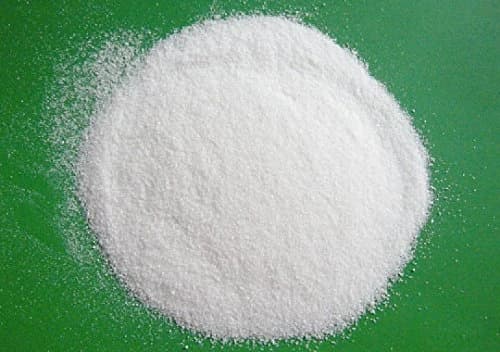
- : White to off-white solid
- Odor
- : Faint fatty
- Melting Point (°C)
- : 63.0000
- Boiling Point (°C)
- : 351
- Density (g/cm³)
- : 0.8530
- Solubility in Water
- : Insoluble
- UN Number
- : Not applicable
- H-Statements
- : None
- P-Statements
- : P260
- REACH Status
- : Registered
- Drug Precursor Status
- : Non-precursor
- Storage Class (GHS)
- : 13
- Storage Conditions
- : Cool, dry place
Categories
Share this product :
Brief Overview
Palmitic acid is one of the most common saturated fatty acids found naturally in animals and plants. It is also found in fats and waxes such as olive oil, palm oil, and body lipids. Palmitic acid occurs in the form of esters (glycerides) in oils and fats of vegetable and animal origin.
Manufacturing Process
Palmitic acid comes from a vegetable origin. It is primarily obtained by the hydrolysis of palm oil (or its fractions as stearin), followed by total or partial hydrogenation, and subsequently distillation.