
Share this product :
Octyl Alcohol
- Origin
- : Indonesia
- CAS Number
- : 111-87-5
- HS Code
- : 2905.16.90
Basic Info
- IUPAC Name
- : octan-1-ol
- Molecular Formula
- : C8H18O
- Molecular Weight (g/mol)
- : 130.2300
- Synonyms & Trade Names
- : 1-Octanol; Octyl alcohol; n-Octanol; Caprylic alcohol
- Purity / Assay (%)
- : 98% min
- Grade / Quality Level
- : Technical Grade
- Physical Form
- : Liquid
- Concentration
- : Pure substance
- Appearance / Color
- : Clear to slightly colored liquid
- Odor
- : Mild
- Melting Point (°C)
- : -16.0000
- Boiling Point (°C)
- : 195
- Density (g/cm³)
- : 0.8270
- Solubility in Water
- : Slightly soluble
- Signal Word
- : Warning
- GHS Hazard Class
- : Skin irritant
- H-Statements
- : H315|H319
- P-Statements
- : P264|P280|P305+P351+P338
- REACH Status
- : Registered
- Drug Precursor Status
- : Non-precursor
- Storage Class (GHS)
- : 10
- Storage Conditions
- : Cool, dry place
Categories
Share this product :
Brief Overview
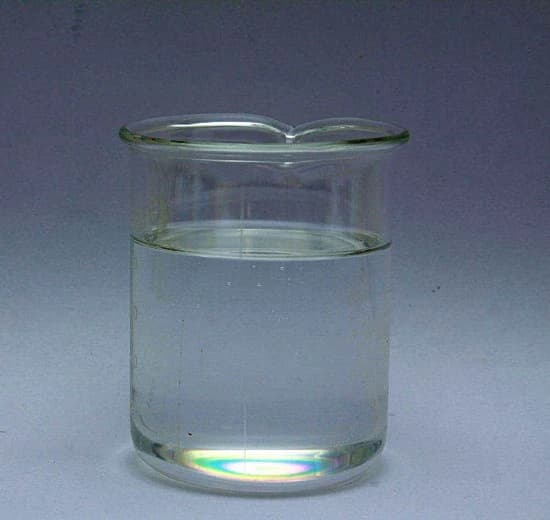
Octyl alcohol is a colorless oily liquid with a chemical formula of C8H18O. The structure of octyl alcohol is a long chain of methyl groups with a hydroxyl group at position 1. The compound has a fresh aromatic orange rose scent. The vapor of octyl alcohol is denser than air and acts as an irritant. It can be made by reducing some caprylic acid esters such as methyl caprylate with sodium ethoxide.
Manufacturing Process
Octyl alcohol is found in essential oils such as orange, grapefruit, sweet orange, green tea, violet leaves, and others in the free state or as acetate, butyrate, and isovalerate esters. Octanol can be obtained in industrial production by reducing octyl aldehyde or esterifying octanoic acid in coconut oil. Octyl alcohol can also be synthesized using carbonyl synthesis and heptene-1 as the starting material. At 150-170 °C and high pressures of 20-30 MPa, heptene, carbon monoxide, and hydrogen can react to produce aldehyde in the presence of cobalt salt. Following cobalt removal, the aforementioned aldehyde is converted into primary alcohol via pressurized hydrogenation with a nickel catalyst. This method's manufacturing technology has matured in other countries.It is also commercially produced through sodium reduction or high-pressure catalytic hydrogenation of naturally occurring caprylic acid esters or oligomerization of ethylene using aluminum alkyl technology.