
Share this product :
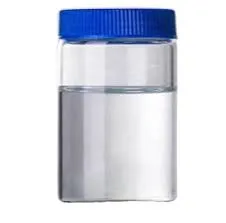
Refined Glycerine 99.7% Min BP
- Origin
- : Malaysia
- CAS Number
- : 56-81-5
- HS Code
- : 2905.45.00
Basic Info
- IUPAC Name
- : propane-1,2,3-triol
- Molecular Formula
- : C3H8O3
- Molecular Weight (g/mol)
- : 92.0900
- Synonyms & Trade Names
- : Glycerin; Glycerol; 1,2,3-Propanetriol; E422
- Purity / Assay (%)
- : 99.5% min
- Physical Form
- : Liquid
- Concentration
- : Pure substance
- Appearance / Color
- : Clear to slightly colored liquid
- Odor
- : Sweet
- Melting Point (°C)
- : 18.0000
- Boiling Point (°C)
- : 290
- Density (g/cm³)
- : 1.2610
- Solubility in Water
- : Miscible
- UN Number
- : Not applicable
- H-Statements
- : None
- P-Statements
- : P260
- REACH Status
- : Registered
- Drug Precursor Status
- : Non-precursor
- Storage Class (GHS)
- : 10
- Storage Conditions
- : Cool, dry place; away from oxidizers
Categories
Share this product :
Brief Overview
Refined glycerine (also known as glycerol or glycerin) is a basic sugar alcohol that has three hydroxyl groups that give it water solubility and hygroscopic properties. This colorless, fragrance-free, crystal-clear liquid has a high boiling point and viscosity, which indicate its inherent sweetness and low toxicity. It comes from petrochemical feedstock and has a density of 1.26 g/cm³. It is used in many industries, such as food, medicine, cosmetics, personal care, and biodiesel manufacturing.
Manufacturing Process
Threshing
Thorough threshing is the first step in treating palm fruit, which removes the main stem and any associated spikelets.
Sterilization
Steaming palm fruits stops them from hydrolyzing and oxidizing, which makes it easier for the resin, gum, and kernel to separate.
Digestion
Sterilized fruits are mechanically mixed and pounded to liberate palm oil with the help of extra heat.
Pressing
Processed fruit is extracted from its oil by hydraulic pressure extraction.
Oil clarification
After being extracted, the oil is purified by adding hot water to remove impurities and then filtering the mixture.
Deacidification
Free fatty acids are removed by solvent extraction using methanol, which is essential to halting oil oxidation.
Transeferication/Saponification
Further refining is required to produce refined glycerine since hydrolysis breaks down triglycerides into glycerol and fatty acids.
Glycerin pre-treatment
Distillation is one of the separation techniques used to purify the glycerine and fatty acid combination.
Evaporation
To create completely purified glycerine, the leftover methanol from the deacidification procedure is evaporated.