
Share this product :
Oleic Acid 72% Min
- Origin
- : Malaysia
- CAS Number
- : 112-80-1
- HS Code
- : 38231200
Basic Info
- IUPAC Name
- : (Z)-octadec-9-enoic acid
- Molecular Formula
- : C18H34O2
- Molecular Weight (g/mol)
- : 282.4700
- Synonyms & Trade Names
- : Oleic acid; cis-9-Octadecenoic acid; Red oil; E570
- Purity / Assay (%)
- : 80% min
- Grade / Quality Level
- : Technical Grade
- Physical Form
- : Liquid
- Concentration
- : Pure substance
- Appearance / Color
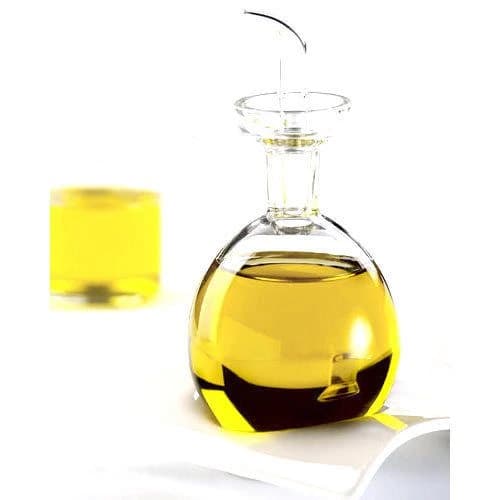
- : Clear to slightly colored liquid
- Odor
- : Lard-like
- Melting Point (°C)
- : 16.0000
- Boiling Point (°C)
- : 360
- Density (g/cm³)
- : 0.8910
- Solubility in Water
- : Insoluble in water
- UN Number
- : Not applicable
- H-Statements
- : None
- P-Statements
- : P260
- REACH Status
- : Registered
- Drug Precursor Status
- : Non-precursor
- Storage Class (GHS)
- : 10
- Storage Conditions
- : Cool, dry; protected from air
Categories
Share this product :
Brief Overview
Oleic acid, a naturally found monounsaturated omega-9 fatty acid, is prevalent in various animal and plant fats and oils. While the oil is usually colorless and odorless, commercial samples might show a faint yellow tint. From a chemical perspective, oleic acid falls into the category of monounsaturated omega-9 fatty acids and is closely linked with olive oil, which is predominantly composed of this advantageous compound.
Manufacturing Process
Oleic acid production commonly involves combining fats such as beef tallow, lard, and vegetable oil, followed by refining and hydrolysis to obtain mixed fatty acids. Cold compression separates oleic and stearic acid. Dehydration and distillation processes then produce crude oleic acid, with stearic acid as a by-product. Around 80% of the distillate from this process is oleic acid.