
Share this product :
Myristic Acid 99% Min
- Origin
- : Malaysia
- CAS Number
- : 544-63-8
- HS Code
- : 2915.90.20
Basic Info
- IUPAC Name
- : tetradecanoic acid
- Molecular Formula
- : C14H28O2
- Molecular Weight (g/mol)
- : 228.3700
- Synonyms & Trade Names
- : Myristic acid; n-Tetradecanoic acid; 1-Tridecanecarboxylic acid
- Purity / Assay (%)
- : 99% min
- Grade / Quality Level
- : Technical Grade
- Physical Form
- : Solid
- Concentration
- : Pure substance
- Appearance / Color
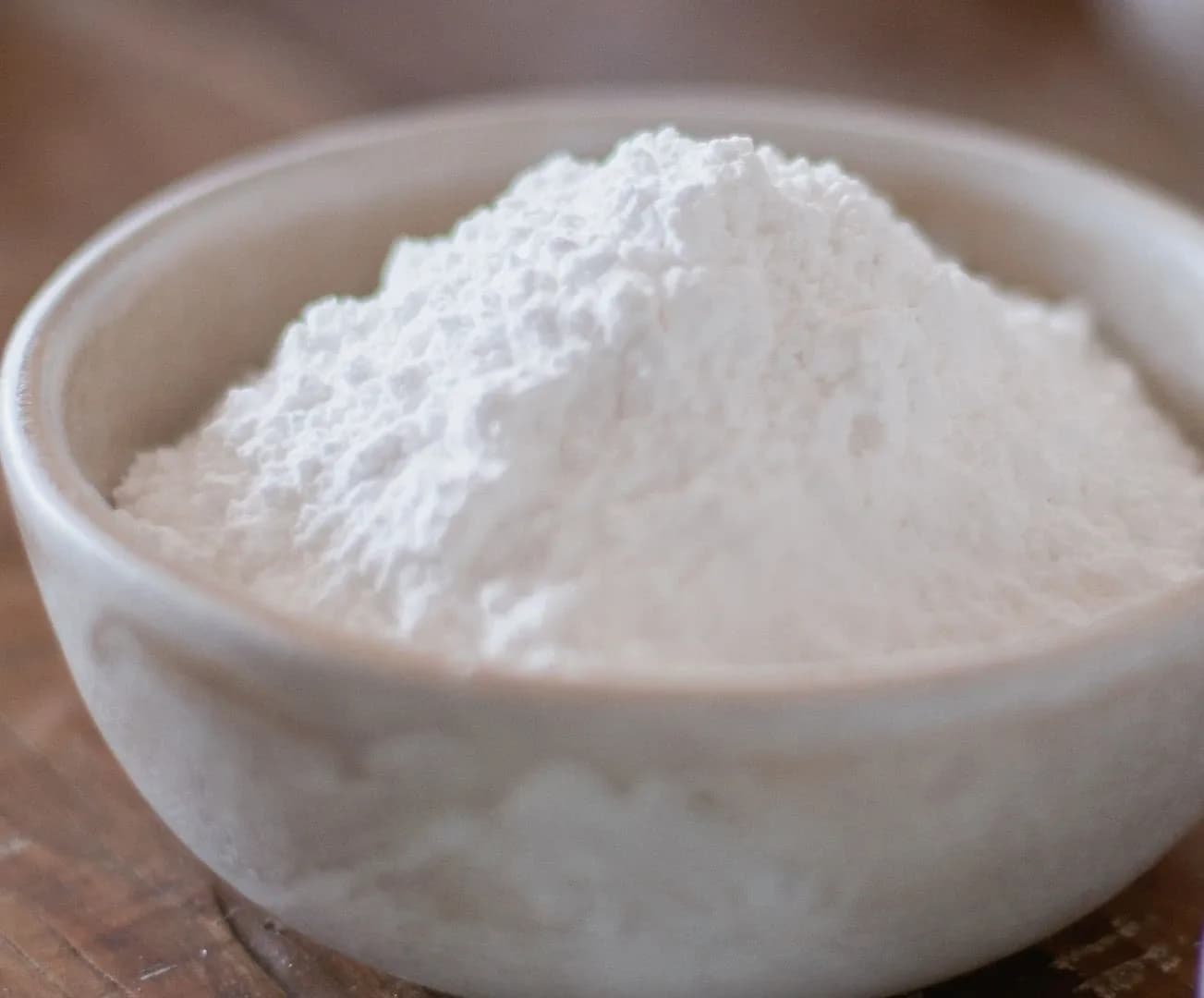
- : White to off-white solid
- Odor
- : Faint fatty
- Melting Point (°C)
- : 54.0000
- Boiling Point (°C)
- : 326
- Density (g/cm³)
- : 0.8670
- Solubility in Water
- : Insoluble in water
- UN Number
- : Not applicable
- H-Statements
- : None
- P-Statements
- : P260
- REACH Status
- : Registered
- Drug Precursor Status
- : Non-precursor
- Storage Class (GHS)
- : 13
- Storage Conditions
- : Cool, dry place
Categories
Share this product :
Brief Overview
Myristic acid, alternatively termed tetradecanoic acid, is a common fatty acid found in both plant oils and animal fats. It is extensively distributed in fats throughout the plant and animal realms, including commonly consumed human foods such as nutmeg. This fundamental fatty acid plays a vital role in the body, participating in the stabilization of diverse proteins, including those essential for the immune system.
Manufacturing Process
Myristic acid is produced industrially through the saponification of fatty oils. This process involves hydrolyzing triglyceride chains, forming fatty acid chains and glycerine. After separation, the fatty acid chains are purified via fractionation under vacuum conditions. The final step is collecting the distillate of myristic acid, ensuring a composition of at least 99%. However, obtaining a higher concentration of myristic acid content requires an advanced fractionation design and increased energy input, considering the specific composition of myristic acid.