
Chia sẻ sản phẩm này :
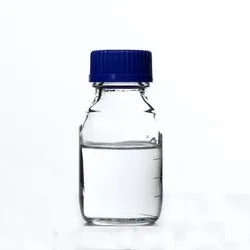
Refined Glycerine 99.7% Min USP Ion Exchange
- Xuất xứ
- : Indonesia
- Số CAS
- : 56-81-5
- Mã HS
- : 2905.45.00
Thông tin cơ bản
- IUPAC Name
- : propane-1,2,3-triol
- Molecular Formula
- : C3H8O3
- Molecular Weight (g/mol)
- : 92.0900
- Synonyms & Trade Names
- : Glycerin; Glycerol; 1,2,3-Propanetriol; E422
- Purity / Assay (%)
- : 99.5% min
- Physical Form
- : Liquid
- Concentration
- : Pure substance
- Appearance / Color
- : Clear to slightly colored liquid
- Odor
- : Sweet
- Melting Point (°C)
- : 18.0000
- Boiling Point (°C)
- : 290
- Density (g/cm³)
- : 1.2610
- Solubility in Water
- : Miscible
- UN Number
- : Not applicable
- H-Statements
- : None
- P-Statements
- : P260
- REACH Status
- : Registered
- Drug Precursor Status
- : Non-precursor
- Storage Class (GHS)
- : 10
- Storage Conditions
- : Cool, dry place; away from oxidizers
Danh mục
Chia sẻ sản phẩm này :
BRIEF OVERVIEW
Refined glycerine, also known as glycerol or glycerin, is a basic sugar alcohol with three hydroxyl groups, playing a role in its water solubility and hygroscopic characteristics. This substance, characterized by a colorless, odorless, and transparent liquid, emphasizes its intrinsic sweetness and minimal toxicity. Additionally, it possesses a high boiling point and viscosity. Originating from petrochemical feedstock, it is utilized across diverse industries such as food, medicine, cosmetics, personal care, and biodiesel production.
MANUFACTURING PROCESS
Threshing
Palm fruit harvested from the fields undergoes meticulous threshing to eliminate the main stem and attached spikelets.
Sterilization
Utilizing steam, the palm fruit undergoes a sterilization process to prevent hydrolysis and oxidation. The applied heat expands internal moisture, facilitating the separation of kernel, gum, and resin.
Digestion
Mechanically mixed and pounded in a rotating shift under elevated temperatures, sterilized palm fruits release palm oil. Additional heat aids the process, taking advantage of the oil's low viscosity.
Pressing
Hydraulic pressure extraction in a metal cage is employed to press processed palm fruit, extracting palm oil.
Oil clarification
Purification of extracted palm oil involves the addition of hot water to remove impurities, followed by filtration. The separated water and oil layers are decanted for subsequent processing.
Deacidification
Free fatty acids are removed from palm oil through solvent extraction with methanol, a crucial step in preventing oxidation and undesirable odors.
Transeferication/Saponification
Hydrolysis breaks down deacidified palm oil into glycerol/glycerine and fatty acid chains. Further refinement is imperative for the glycerine to attain the label of refined glycerine.
Glycerin pre-treatment
Refinement of the mixture of glycerine and fatty acid chains occurs through distillation. Heating the distillation column encourages glycerol and fatty acid evaporation, with glycerine exhibiting a more rapid evaporation due to its lower boiling point.
Evaporation
Complete purification of glycerine involves the evaporation of residual methanol from the deacidification process, resulting in fully refined glycerine.